Sailing from Sicily to Malta: the crossing and arrival
The crossing from Sicily to Malta: where boats leave from, how far it is, traffic and weather, where to arrive, and what to have checked afterwards.
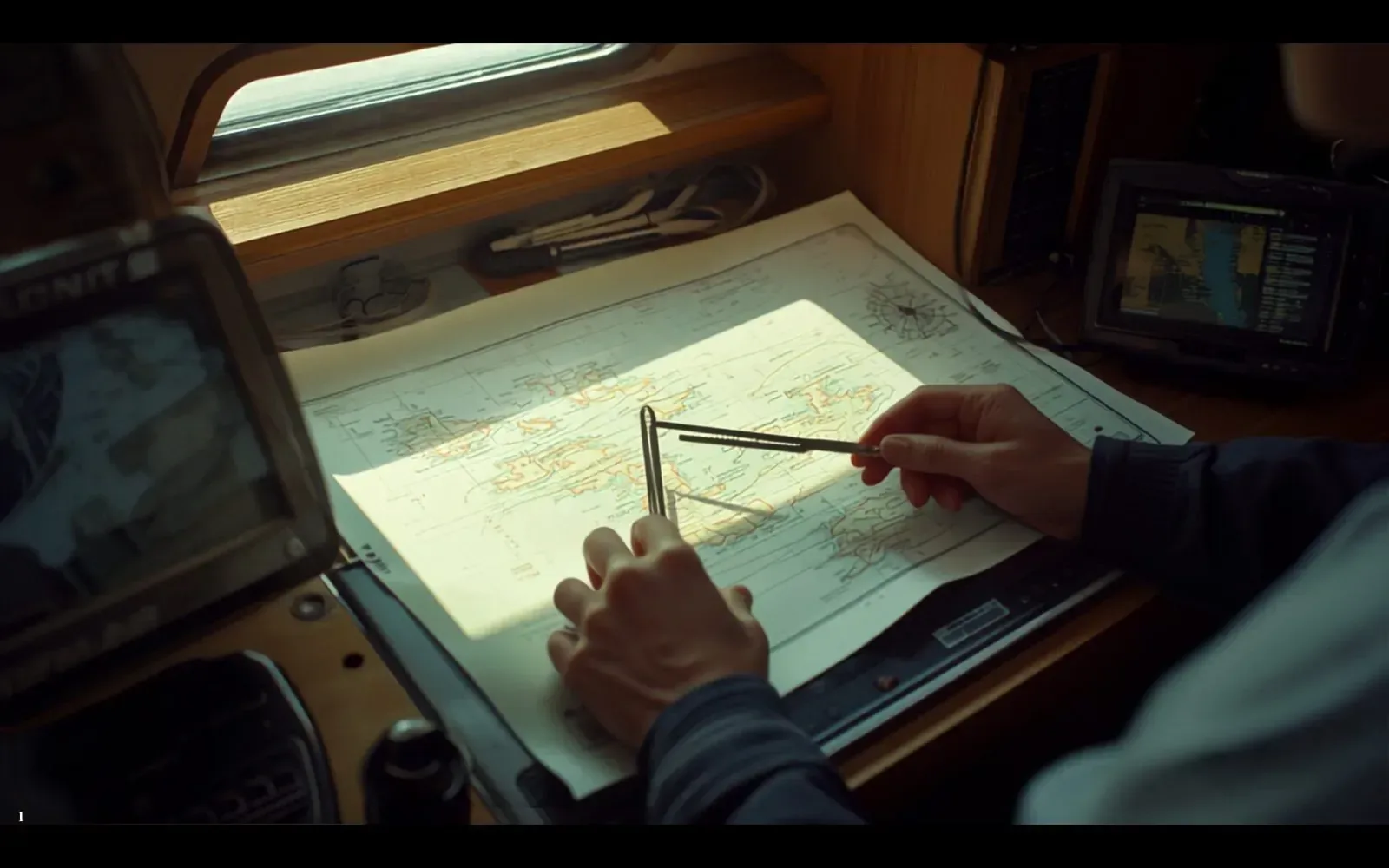
For many boats that come to Malta under their own power, Sicily is the last stop. The crossing is short enough to do in daylight in summer and open enough to deserve respect. There is no shelter between the two islands, and the channel is one of the busier stretches of the Mediterranean.
This guide covers the passage in outline, then what a boat needs afterwards. It is not a pilot book: use current charts and official forecasts for the navigation.
In short
- About 50 to 55 nautical miles from Sicily’s southern tip, nearer 80 from Syracuse.
- Expect ships crossing your track and a fast ferry. Pick a settled forecast, not a deadline.
- Book the berth before you leave, and tell Valletta VTS you are coming.
Where boats leave from and how far it is
Boats usually leave from the south-east corner of Sicily: Syracuse, Marzamemi, Portopalo di Capo Passero, Pozzallo or Marina di Ragusa.
From Portopalo, Pozzallo or Marina di Ragusa it is roughly 50 to 55 nautical miles in a straight line, whether you are heading for the Valletta harbours or for Mġarr in Gozo. From Syracuse it is about 80, because you first have to get down to Capo Passero.
At 6 knots, 55 miles is a little over nine hours. Leave at first light in summer and you arrive in daylight. In midwinter there is barely enough daylight for it. A motor yacht at 20 knots does it in under three hours, if the sea allows.
Shipping and ferries: what to expect
The channel between Sicily and Malta is a main route for ships passing between the eastern and western Mediterranean. They cross your track more or less at right angles, and they are faster than they look. Keep a proper watch all the way, use AIS if you have it (the system that shows ships’ positions and courses on your plotter), and make your intentions obvious early.
A high-speed car ferry runs between Pozzallo and Malta, and it closes very quickly from the horizon. Closer to either coast, expect fishing boats and their gear, which are hard to see in the dark.
Weather windows and the winds that matter
There is nowhere to hide half way, so the forecast decides the day. Three winds matter.
- North-westerly. The most common wind in Maltese waters in every season, according to Transport Malta. On a southbound crossing it comes from the side or from behind. In a moderate breeze that is good sailing. When it blows hard, the sea builds quickly.
- North-easterly, the gregale. The winter gale. It comes from behind on the way south and raises a big sea. It also blows straight into the entrances of the Valletta harbours, which face north-east.
- South-easterly, the sirocco. Warm and hazy, on the nose or close to it, and sometimes carrying dust that cuts visibility. Our guide to Saharan dust on your boat deals with what it leaves behind.
Look for a settled spell, not a gap between two systems, and check that the forecast holds for some hours after your planned arrival. The Malta Meteorological Office publishes a mariners’ forecast for local waters. Our guides to the winds of Malta and reading a forecast go further.
Where boats arrive
Mġarr, Gozo. The nearest harbour if you come down from Marina di Ragusa, and the obvious one if you want to start in Gozo. Mġarr is also the ferry port, so expect ferries in the entrance. At the time of writing, the marina’s website says it is not accepting berthing reservations while storm damage is repaired, so check with the marina before you rely on it.
Marsamxett Harbour. On the north-west side of Valletta. The marina at Msida and Ta’ Xbiex and Marina di Valletta are both inside it, as is the yacht yard on Manoel Island.
Grand Harbour. On the south-east side of Valletta. Grand Harbour Marina and Kalkara Marina are inside it, along with several of the island’s yards. It is a working port, with cruise ships and cargo moving in the entrance.
Our guide to the marinas describes each one and who it suits.
Reporting in and arrival formalities
Transport Malta runs a Vessel Traffic Service (VTS), which watches and directs traffic in and around the ports. It asks yachts to report before they enter: the yacht’s name, the expected time of arrival, length, the number of people on board, the last port and your intentions. At the time of writing, the listening channel is VHF 12 in the Valletta VTS area and VHF 10 at Mġarr. Our VHF guide lists the local channels.
Customs, immigration and health formalities depend on the boat’s flag, who is on board and your last port. They also change, so we do not set out a procedure here. Ask Transport Malta and the marina you have booked before you leave Sicily. The marina office will tell you where to go and what to bring.
After a long passage: what is worth checking
Hours of steady running in a seaway find what a summer of short trips does not. Stephen Duffy, who runs Yachting.mt, is a captain with more than 30 years’ experience and has delivered yachts all over the world. These are the checks worth making on a boat that has just arrived.
- Engine. Oil and coolant levels, belts, and the bilge under the engine for fresh oil, fuel or water. The sea water strainer, and the impeller, the rubber wheel in the cooling pump.
- Fuel. A seaway stirs up whatever lies at the bottom of the tank. Check the filter bowls for water and dirt.
- Stern gear. A new vibration can mean rope or net on the propeller. A diver can look without a lift.
- Steering. Play at the wheel, leaks at the hydraulic ram.
- Rig and sails. On a sailing boat, a look over the standing rigging (the wires that hold the mast up) and its fittings at deck level, and the sails for chafe.
- Leaks. Hatches, windows and deck fittings that let water in. Look for salt trails below.
- Bilges and batteries. How much water came aboard, whether the pumps dealt with it, and whether the batteries recover once on shore power.
- Salt. A proper washdown with fresh water, rig and deck gear included.
Booking a berth and a contractor ahead
The berth. Contact the marina before you leave Sicily, and earlier in summer. Give the boat’s length, beam, draught, your arrival day and how long you want to stay. Expect to show registration and valid insurance, and ask where to go if you arrive after the office has closed.
The contractor. If something needs attention, say so before you sail. Send the make and model of the boat and engine, a description of the problem, a few photographs and your arrival date. Parts can then be ordered before you arrive.
We can meet a boat at the berth, check her over and quote anything we find in writing. The trades we cover are listed under repairs and refits. If the boat stays in Malta after you fly home, a care plan covers the visits in between.
Need this done on your boat?
Repairs & refits
Anything the passage found, looked at and quoted in writing.