Comprehensive Nautical Dictionary: Explore Yachting and Maritime Terms
The words you will meet on a quote, a survey or a care-visit report, in plain English.
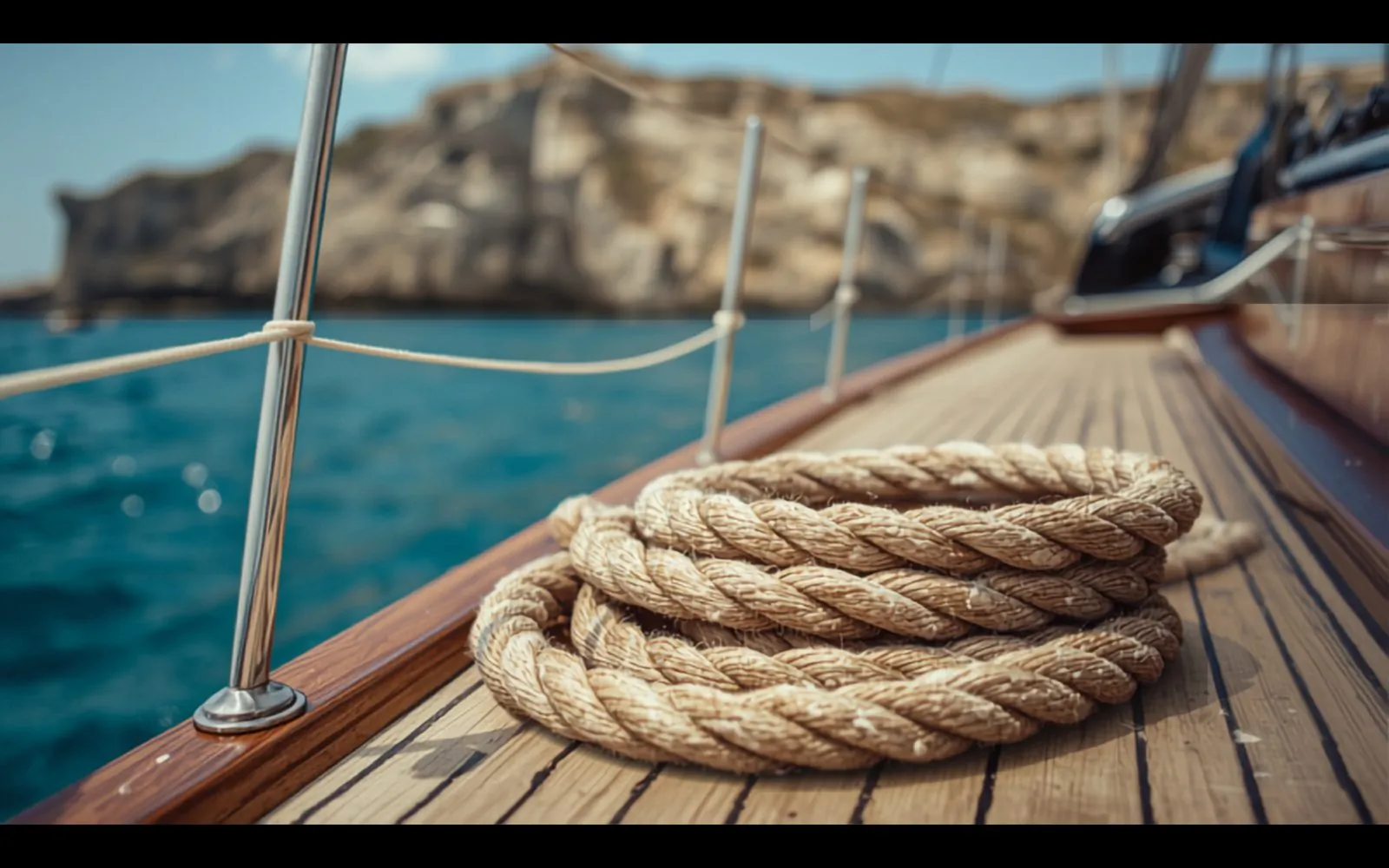
The words you will meet on a quote, a survey or a care-visit report, in plain English. Missing one? Tell us and we will add it.
A
- Abeam: Alongside the yacht at right angles to the centreline.
- Aft: Toward the back of the yacht.
- Aft Cabin: Sleeping quarters at the rear of the yacht.
- Aground: When a yacht is stuck on the bottom.
- Air Draught: The height of the yacht from the waterline to the highest point.
- Amphibious: Yachts capable of operating on land and water.
- Anchor: A heavy object used to hold the yacht in place by gripping the seabed.
- Anchorage: A place to anchor or moor a yacht.
- Anchor Light: A white light showing a yacht is at anchor.
- Aweigh: Raising the anchor from the seabed.
B
- Barometer: An instrument for measuring atmospheric pressure.
- Beam: The width of the yacht.
- Beaufort Scale: A scale for measuring wind strength.
- Belowdecks: Inside the yacht’s interior.
- Bilge: The lowest part of the yacht’s interior where water collects.
- Bilge Pump: A device for removing water from the bilge.
- Binnacle: The stand or housing for the yacht’s compass.
- Bitter End: The very end of a rope.
- Block: A pulley used in rigging.
- Boom: A horizontal spar that extends from the mast to hold the bottom edge of the sail.
- Boom Vang: A system for controlling the tension in the mainsail’s leech.
- Bow: The front part of the yacht.
- Bowsprit: A spar extending from the bow to support sails.
- Broadside: The side of the yacht.
- Buoy: A floating marker in the water.
C
- Cabin: An enclosed space on a yacht where people can sleep or relax.
- Capsize: When a yacht overturns in the water.
- Cast Off: To release a line or rope to set the yacht in motion.
- Catamaran: A multi-hulled yacht with two parallel hulls.
- Chart: A map used for maritime navigation.
- Chartplotter: An electronic display that shows the yacht’s position on a chart.
- Clew: The lower aft corner of a sail.
- Cockpit: The open area in the aft of the yacht where the steering and controls are located.
- Compass: A navigational instrument.
- Cove Stripe: A decorative stripe along the hull.
- Coxswain: The person in charge of a small boat or tender.
- Crew: Refers to the people operating and maintaining the yacht.
- Current: The movement of water in a particular direction.
- Cutless Bearing: A bearing supporting the propeller shaft.
D
- Daggerboard: A retractable centreboard for stability.
- Danforth Anchor: A type of anchor with flukes that can be set in different directions.
- Davit: A device for lifting and securing the yacht’s tender.
- Deadhead: A submerged log or object that poses a hazard.
- Dead Reckoning: Navigating based on a previously known position.
- Deck: The upper surface of the yacht.
- Deckhand: A crew member responsible for tasks on the deck.
- Depth Sounder: Equipment for measuring water depth.
- Dinghy: A small, often inflatable boat used as a tender.
- Dinghy Dock: A designated area for securing dinghies.
- Diesel Fuel: Common fuel for motor yachts.
- Displacement: The weight of water displaced by the yacht’s hull.
- Displacement Hull: A hull design that moves through the water rather than riding on top of it.
- Dock: A structure used for mooring yachts.
- Dock Lines: Lines used to secure a yacht to a dock.
- Dockmaster: The person in charge of a marina or dock.
- Dodger: A protective cover on the yacht’s cockpit.
- Doghouse: A small shelter on the deck.
- Downhaul Line: A line used to control the tension in the luff of a sail.
- Downwind: Sailing in the same direction as the wind.
- Draught: The depth of the yacht’s keel or hull below the waterline.
- Draught Marks: Marks on the hull indicating the waterline.
- Drogue: A device used to slow down a yacht in heavy weather.
- Dry Bilge: A bilge with no water or oil present.
- Dry Sailing: Storing a yacht out of the water when not in use.
- Duffle Bag: A sailor’s bag for personal belongings.
E
- Ebb Tide: The outgoing or falling tide.
- Echo Sounder: Equipment for measuring water depth using sonar.
- Emergency Flare: Pyrotechnic signals for distress.
- Ensign: The national flag of a yacht’s registered country.
- EPIRB (Emergency Position Indicating Radio Beacon): A distress beacon.
- Estuary: A semi-enclosed coastal body of water where freshwater meets seawater.
- Eutrophication: Excessive nutrient levels in water causing algae blooms.
- Eyebolt: A bolt with a looped head for attaching lines.
F
- Fairlead: A fitting used to guide lines in a desired direction.
- Fairway: A navigable waterway.
- Fathometer: A device measuring water depth.
- Fender: A cushioning device to protect the yacht’s hull when docking.
- Fishfinder: Equipment for detecting fish underwater.
- Flare: A pyrotechnic signal used for emergencies.
- Foredeck: The front part of the yacht’s upper deck.
- Foremast: A secondary mast on a yacht.
- Forepeak: A compartment in the forward part of the yacht.
- Foresail: A sail located at or near the front of the yacht.
- Freeboard: The distance from the waterline to the yacht’s deck.
- Fuel Pump: Equipment for transferring fuel to the engine.
- Fuel Tank: The container for storing fuel on motor yachts.
- Furl: To roll up or stow a sail.
- Furling: Rolling up or stowing a sail.
G
- Gaff Rig: A type of sail rig with a gaff and boom.
- Galley: The kitchen area on a yacht.
- Genoa: A large foresail that overlaps the mast.
- Gimbals: A mounting that allows an object to remain level, like a compass.
- GPS (Global Positioning System): Satellite-based navigation system.
- Ground Tackle: Equipment used for anchoring.
- Gudgeon: A bracket on the sternpost for attaching the rudder.
- Gunwale: The upper edge of the yacht’s side.
- Gybe: Changing the direction of the yacht by turning downwind.
H
- Halyard: A line used to hoist a sail.
- Hand Bearing Compass: A portable compass for taking bearings.
- Harbour Master: The person in charge of a harbour or port.
- Hard Chine: A sharp angle in the hull.
- Hatch: An opening in the deck for access or ventilation.
- Hawsepipe: A pipe or hole for passing anchor chains.
- Head: The toilet on a yacht.
- Headsail: A sail forward of the mainmast.
- Headstay: The stay supporting the mast from the bow.
- Heel: The angle at which the yacht tilts.
- Helm: The yacht’s steering mechanism or the act of steering.
- Hull: The body of the yacht.
- Hull Speed: The maximum speed a displacement hull can achieve.
- Hurricane Hole: A well-protected anchorage for stormy weather.
I
- Icicle Hitch: A knot used to secure a line under tension.
- Icing: Accumulation of ice on the yacht, often in cold conditions.
- Inboard: Closer to the centreline of the yacht.
- Inboard Engine: An engine mounted inside the hull.
- Inflatable Boat: A boat that can be inflated for use as a tender.
- Infrared Camera: Equipment used for night vision on yachts.
- Iridium Satellite Phone: A satellite phone for communication at sea.
J
- Jackline: A safety line used to prevent falling overboard.
- Jet Drive: Propulsion system using water jets.
- Jet Ski: A personal watercraft designed for water recreation and sports.
- Jib: A triangular foresail used for upwind sailing.
- Jibe: The American spelling of gybe.
- Jibe-Ho: A command to signal an intentional gybe.
- Jibing Preventer: A device to control the boom during an accidental gybe.
- Jibsheet: Line used to control the jib sail.
- Jibstay: The forestay that supports the jib sail.
- Jockey Wheel: The small wheel at the front of a boat trailer.
- Joggle: A slight bend or offset in a mast or spar.
- Jolly Roger: The classic pirate flag, sometimes flown for fun.
- Jury Rig: Temporary rigging used for emergency repairs.
K
- Kedge: A small anchor used for special situations.
- Keel: The bottom structure of the yacht for stability.
- Keelhaul: A historic punishment involving dragging a person under the yacht.
- Ketch: A type of sailing yacht with two masts.
- Kite Surfing: An extreme sport using a small board and a kite for propulsion.
- Knot: A unit of speed equal to one nautical mile per hour.
- Knotmeter: An instrument measuring the yacht’s speed through water.
- Knurling: A pattern or grip on hardware for better handling.
L
- Lazarette: A storage compartment in the stern of a motor yacht.
- Lee Helm: When the yacht tends to turn downwind.
- Leeward: The side sheltered from the wind.
- Lifelines: Lines or wires running around the deck for safety.
- Logbook: A record of a yacht’s voyage.
- Luff: The forward edge of a sail.
- Luffing: When a sail flaps in the wind.
- LWL (Load Waterline): The length of the yacht’s hull that touches the water.
M
- Mainmast: The primary mast of a yacht.
- Mainsail: The primary sail on a yacht.
- Mainsheet: The line used to control the mainsail.
- Marlinespike: A tool for splicing and knotwork.
- Marina: A haven for boats and yachts, providing shelter, amenities, and services for sailors and travellers alike.
- Mast: The vertical pole that supports the sails.
- Mizzenmast: The smaller mast on a ketch or yawl.
- Monohull: A yacht with a single hull.
- Multihull: A yacht with multiple hulls, such as a catamaran.
- Moor: To secure a yacht to a berth, quay or buoy.
- Mooring: Securing a yacht to a fixed point to keep it in place.
- Mooring Ball: A buoy to which a yacht can be attached.
- Motor Yacht: A yacht primarily powered by engines.
- Muster Station: A designated location for crew and passengers in emergencies.
N
- Navigational Chart: A map used for navigation at sea.
- Navigation Lights: Lights used to signal the yacht’s position and direction.
- Nautical Mile: A unit of measurement used at sea, equivalent to one minute of latitude.
- Navionics: Electronic charts and navigation software.
- Nose Dive: When the bow of the yacht plunges into the water.
O
- Outboard Motor: An engine mounted outside the hull.
- Outhaul: A line used to adjust the tension of the foot of the mainsail.
- Outrigger: A projecting frame to support the yacht’s rigging.
- Overboard: Anything that goes over the side of the yacht and into the water.
P
- PFD (Personal Flotation Device): A life jacket worn for safety.
- Pitch: The rotation of the yacht’s bow and stern around a horizontal axis.
- Port: The left side of the yacht when facing forward.
- Porthole: A small window on the side of the yacht.
- Port Tack: Sailing with the wind coming from the port side.
- Proa: A type of multihull yacht with two different-length hulls.
Q
- Quarterdeck: The part of the yacht’s deck near the stern.
- Quay: A stone or concrete platform along the shore for docking.
R
- Radar: Technology for detecting objects at a distance.
- Reef: Reducing sail area to handle strong winds.
- Reef Hook: A tool used to secure a reef point in the sail.
- Rigging: The system of ropes, wires, and hardware used to support and control the sails.
- Rudder: A device used for steering the yacht.
S
- Sailing: Involves using the wind to propel a yacht through the water.
- Scupper: A drain on the deck to carry away water.
- Spinnaker: A large, light sail used for downwind sailing.
- Starboard: The right side of the yacht when facing forward.
- Stateroom: A private cabin on a motor yacht.
- Staysail: A smaller sail set between the mast and the forestay.
- Stern: The back end of the yacht.
T
- Tacking: Changing the direction of the yacht through the wind.
- Tiller: A lever for steering a sailing yacht.
- Transom: The flat, vertical surface at the back of the yacht.
- Transverse: Across the width of the yacht.
- Trawler: A type of motor yacht designed for long-range cruising.
- Trim: Adjusting the sails and weight distribution for optimal performance.
- Thruster: A device for lateral movement in tight quarters.
U
- Ullage: The space between the top of a liquid (e.g., fuel or water) and the container’s rim.
- Underway: When a yacht is in motion.
V
- Vang: A line or hydraulic system used to control the mainsail’s leech.
- Varnish: A protective finish for wooden yacht parts.
- Vessel: A general term for any watercraft.
W
- Wake: The waves created by a moving yacht.
- Waterski: An activity often enjoyed by those aboard motor yachts.
- Waterspout: A tornado over water.
- Windward: The side of the yacht facing into the wind.
- Winch: A mechanical device for handling lines and ropes on yachts.
X
- X-Dimension: Measurement from the waterline to the yacht’s centre of gravity.
- Xebec: A historic Mediterranean sailing vessel.
Y
- Yacht: A recreational watercraft typically designed for sailing or motorised cruising.
- Yacht Club: A social organisation for yacht owners.
Z
- Zodiac: A brand of inflatable boats used as tenders.
- Zephyr: A gentle, mild wind.
Need this done on your boat?
Care plans
Someone checks on your boat every month, with photographs.